

Managing a rental property means keeping a close eye on your bottom line. Every expense, from maintenance to marketing, impacts your return on investment. That’s why the idea of paying for background checks on every promising applicant can feel like a drain on your budget. Fortunately, the industry has shifted to a model that benefits property owners directly. The best screening services now operate on an "applicant pays" system, allowing you to get a detailed tenant screening report free online. This removes the financial barrier to proper vetting, so you never have to cut corners. We’ll explore the top platforms that offer this service and explain how to implement a cost-effective screening process.
Key Takeaways
- Make Decisions with Data, Not Intuition: A comprehensive screening report provides the objective facts you need to make an informed choice. Rely on credit, criminal, and eviction histories to assess an applicant's reliability and protect your property.
- Follow a Consistent, Compliant Process: Protect yourself legally by establishing clear rental criteria and applying them to every single applicant without exception. Always follow FCRA rules for getting consent and issuing adverse action notices.
- Verify Everything Independently: A screening report is a powerful tool, but it's only the starting point. Always call previous landlords and employers yourself to confirm the information and get a true sense of the applicant's history.
What Is a Tenant Screening Report?
A tenant screening report is essentially a background check on a potential renter. Think of it as a resume for a tenancy—it gives you a clear, objective look at an applicant's history so you can make an informed decision about who will live in your property. The goal is to find a reliable tenant who pays rent on time, respects your property, and is a responsible neighbor. A consistent screening process is the foundation of successful property management, helping you evaluate every applicant fairly and based on the same criteria. It moves the decision from a gut feeling to a data-backed choice, which is exactly where you want to be as a landlord.
This report gathers critical information from various sources into one comprehensive document. It’s not about being invasive; it’s about due diligence. By reviewing an applicant's financial habits, rental background, and public records, you get a much clearer picture of their ability to meet the terms of the lease agreement. This step is essential for protecting your investment and ensuring a stable, positive rental experience for both you and your future tenant.
What's Included in a Screening Report
A standard tenant screening report pulls together four key pieces of information to give you a complete view of an applicant. Each component tells a different part of the story, helping you assess their suitability.
First is the credit report, which details an applicant's financial history. It shows their debt, payment patterns, and credit score, giving you insight into their financial responsibility. You’ll also see a criminal background check, which searches national and local databases for relevant records that could indicate a risk to the property or community.
The report also includes an eviction and rental history. This is one of the most direct indicators of a person's track record as a tenant, showing if they have ever been formally removed from a property. Finally, income verification confirms that the applicant has a steady and sufficient source of income to comfortably afford the rent.
How Screening Protects Your Investment
Implementing a thorough tenant screening process is one of the most effective ways to protect your rental property. A bad tenancy can lead to thousands of dollars in lost rent, legal fees, and property damage. A comprehensive screening report helps you minimize these risks by filtering out applicants who have a history of non-payment or other lease violations. It’s your first line of defense against potential problems.
By establishing clear, objective criteria and applying them consistently, you not only find better tenants but also ensure you’re complying with fair housing laws. When you work with a professional team, we handle this entire process, ensuring every applicant is vetted thoroughly and fairly. This allows you to place a qualified, reliable tenant in your property with confidence, securing your investment for the long term.
How "Applicant Pays" Screening Works
Many modern screening platforms operate on an "applicant pays" model, which streamlines the process for property owners. This approach removes the financial burden from landlords while still providing the comprehensive reports needed to make informed decisions. It’s an efficient system that benefits everyone involved, from the property manager to the prospective tenant.
Who Pays for the Report?
In the "applicant pays" model, the cost of the screening report is covered directly by the person applying for your rental. This makes most tenant screening services free for landlords and agents to use. Instead of you paying for every background check, the applicant purchases their own report and securely shares it with you. This simple shift allows you to run thorough checks on every serious applicant without impacting your budget. It’s a straightforward way to gather essential information—like credit history, eviction records, and criminal background—at no cost to your business.
Why This Model Works for Everyone
This system creates a win-win situation. As a landlord, you can conduct comprehensive tenant background checks without paying out of pocket, as the applicant typically covers the fee. This removes a significant barrier, allowing you to screen every qualified candidate thoroughly. For applicants, the process is also more efficient. Many platforms allow them to purchase a single report and use it for multiple online rental applications within a certain timeframe, usually 30 days. This saves them money and time, encouraging more qualified individuals to apply to your property and ultimately widening your pool of potential tenants.
The Best Free Tenant Screening Services
Finding the right tenant screening service can feel overwhelming, but many of the best options are free for landlords. These platforms typically operate on an "applicant pays" model, where the prospective tenant covers the cost of their own background and credit checks. This approach saves you money while still providing the comprehensive reports you need to make an informed decision. From all-in-one property management platforms to specialized screening tools, here are some of the top services that help you find reliable tenants without any upfront cost.
Rentals Inc. Screening Solutions
For property owners in the San Francisco Bay Area, the most effective approach is often a full-service one. While DIY platforms are an option, our team at Rentals Inc. provides comprehensive screening as part of our leasing services. We go beyond automated reports by handling the entire process for you—from marketing your property and verifying applicant information to ensuring full compliance with local and state regulations. This hands-on method is designed to find highly qualified, reliable tenants specifically for the unique Bay Area market. If you want a trusted partner to manage the screening process from start to finish, you can learn more about how we work with property owners.
RentSpree
RentSpree is a popular choice for landlords and agents who want a simple, secure, and fast screening process. The platform is completely free for you to use; the applicant pays a fee for their screening package. Once the applicant submits their information, you receive a detailed report that includes a full credit history, a nationwide criminal background check, and a search of eviction records. RentSpree’s straightforward interface makes it easy to request reports and review applicant data in one place. It’s a great tool if you’re looking for a no-cost way to get a complete picture of your potential tenants and streamline your application process.
TurboTenant
TurboTenant offers an all-in-one platform for landlords that includes free tenant screening. Like other services, it passes the cost—typically between $45 and $55—on to the applicant. In return, you receive a comprehensive report from TransUnion that covers everything you need to know: credit score, criminal history, and prior evictions. The platform also provides income analysis to help you verify that an applicant can comfortably afford the rent. Because TurboTenant integrates screening with its other property management tools, it’s an excellent option for landlords who want to manage listings, applications, and screening all from a single dashboard. You can explore their tenant background check services to see if it fits your needs.
Zillow Rental Manager
Given Zillow’s massive reach, using its built-in screening tool is a smart move for reaching a wide audience of renters. Landlords can use Zillow Rental Manager for free, while applicants pay a single $35 fee that allows them to apply to multiple participating properties for 30 days. This is a huge plus for renters and can lead to more applications for your listing. Once an applicant applies, you immediately receive their credit and background check from Experian and a detailed application. The convenience and speed make Zillow a powerful tool for filling vacancies quickly. Their online rental application system is designed to be efficient for both you and your prospective tenants.
TransUnion SmartMove
If you want reports backed by the credibility of a major credit bureau, TransUnion SmartMove is a fantastic option. The service is free to sign up for, and you can choose whether to pay for the screening yourself or have the applicant cover the cost. SmartMove provides detailed, reliable reports that include a credit check, a national criminal background check, and an eviction history report. One of its standout features is ResidentScore®, which is specifically designed to predict rental outcomes better than a typical credit score. This focus on data quality makes TransUnion SmartMove a trusted choice for landlords who prioritize in-depth, accurate financial and background information.
What to Look for in a Screening Report
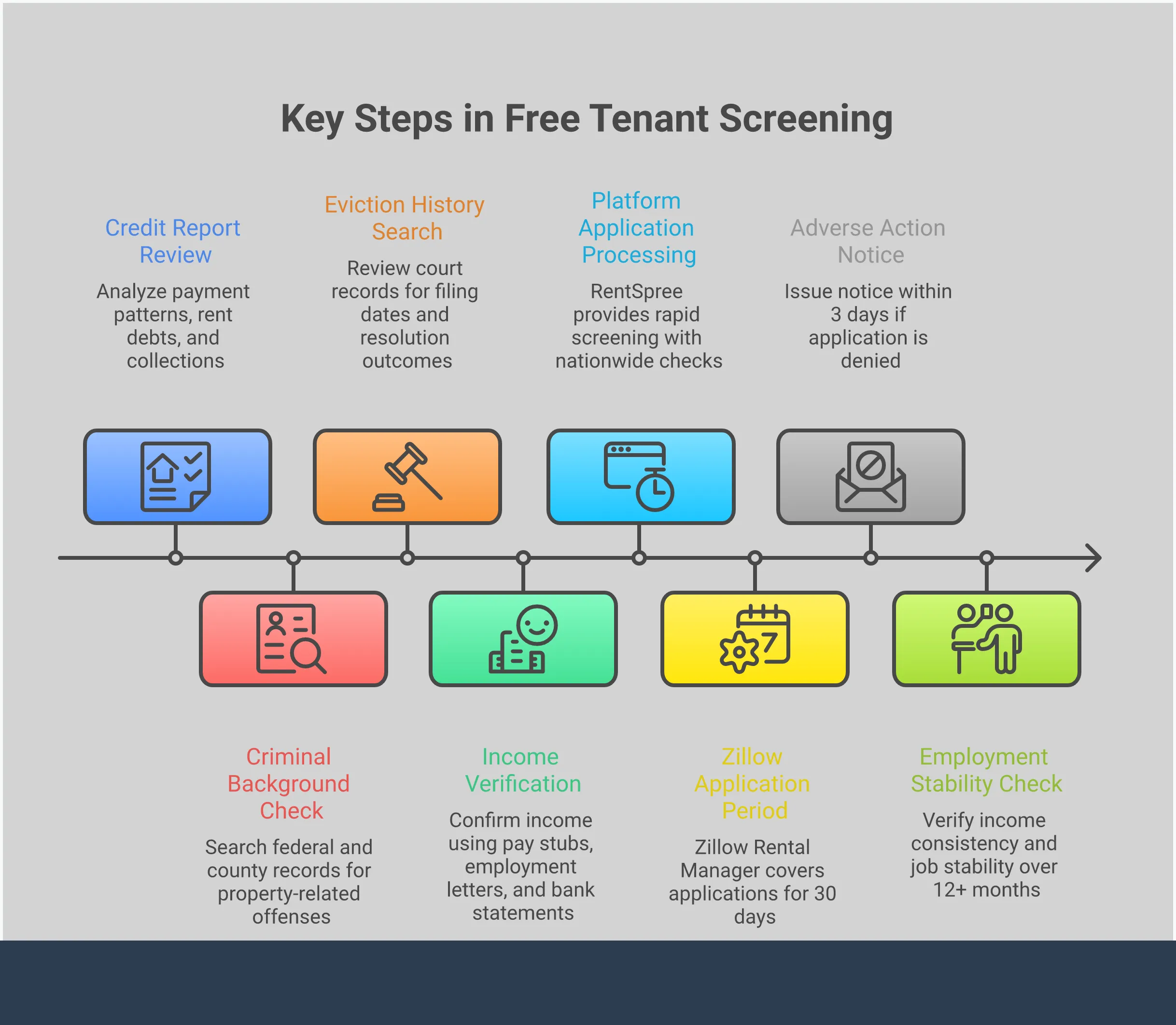
A tenant screening report is more than just a background check; it’s a detailed snapshot of an applicant's reliability. When you receive a report, you’re looking for a consistent story that shows financial responsibility, a stable history, and respect for past rental agreements. A comprehensive report pulls together several key pieces of information to give you a complete view of an applicant. Think of it as your best tool for protecting your property and ensuring a steady rental income. By focusing on a few key areas, you can confidently assess whether an applicant is the right fit for your property.
Credit and Financial History
An applicant’s credit report is a direct reflection of their financial habits. You’re not just looking at the credit score; you need to review the entire report. Look for a history of on-time payments for credit cards, loans, and other bills. High amounts of debt or accounts in collections can be red flags, as they might indicate that an applicant is overextended and could struggle to pay rent. A credit report shows an applicant's financial responsibility, which is crucial for assessing their ability to meet rental obligations consistently. This information helps you build confidence that they will treat their rent payment as a priority.
Criminal and Eviction History
Reviewing an applicant’s criminal and eviction history helps you protect your property and ensure the safety of the community. The report should include a search of national and local databases for any relevant criminal convictions. Similarly, an eviction search will show if an applicant has a history of being legally removed from a property for non-payment or lease violations. This data demonstrates past tenant behavior and can be a strong indicator of future reliability. A clean record in both areas is a good sign that the applicant is a responsible individual who respects legal and financial agreements.
Income and Employment Verification
Verifying an applicant’s income and employment is arguably the most important step in the screening process. You need to confirm that they have a stable source of income sufficient to cover the rent each month. Most screening services will help you verify this, but you should always request recent pay stubs, an offer letter, or bank statements to be certain. This confirmation of their ability to pay rent is non-negotiable. In a competitive market like the Bay Area, ensuring an applicant has a reliable income stream is fundamental to a successful tenancy and helps you work with us to secure qualified renters.
Rental History and References
An applicant’s rental history provides insight into how they’ll behave as your tenant. A thorough report should include contact information for previous landlords. When you speak with them, ask specific questions: Did the applicant pay rent on time? Did they maintain the property well? Were there any complaints from neighbors? Did they give proper notice before moving out? Verifying rental history helps you understand if the applicant followed lease terms and whether previous landlords would rent to them again. This firsthand feedback, gathered when you check tenant references, is invaluable for making an informed decision and finding a tenant who will treat your property with care.
Staying Compliant: Legal Requirements for Tenant Screening
Screening potential tenants is one of the most important steps in protecting your rental property, but it’s a process governed by strict federal, state, and local laws. A consistent, compliant screening process not only helps you find reliable tenants but also protects you from potential legal issues. Understanding your obligations isn't just good practice—it's a fundamental part of being a responsible landlord. These rules are in place to ensure the process is fair and transparent for everyone involved, which ultimately builds trust and helps you maintain a positive reputation in the competitive Bay Area market.
Understanding the Fair Credit Reporting Act (FCRA)
When you use a screening service to check an applicant's credit or background, you must follow the Fair Credit Reporting Act (FCRA). This federal law regulates how consumer reports are used. Before you can run a background check, you need to get the applicant's written consent. While most states allow you to charge an application fee to cover this cost, your authorization process must comply with the FCRA. This means providing a clear, standalone disclosure that you will be obtaining a consumer report for housing purposes. Following these steps ensures you’re accessing sensitive information legally and ethically, building a foundation of trust from the very first interaction.
Following Fair Housing Laws
Beyond the FCRA, your screening process must adhere to the Fair Housing Act. This law prohibits discrimination based on race, color, national origin, religion, sex, familial status, or disability. The best way to stay compliant is to establish objective rental criteria and apply them consistently to every single applicant. For example, you might require a certain credit score, a minimum income-to-rent ratio, and a clean rental history. By setting your standards upfront and treating everyone the same, you can avoid any claims of discrimination. Remember that many cities in the San Francisco Bay Area have additional local ordinances that add further protections, so it's crucial to know the specific rules for your property's location.
Notifying Applicants: What You Need to Disclose
If you decide against an applicant based on information in their screening report, the FCRA requires you to provide them with an "adverse action notice." This isn't just for outright rejections. An adverse action notice is also required if you require a co-signer or charge a higher security deposit because of something you found in the report. The notice must include the name and contact information of the screening company you used, a statement that the screening company did not make the rental decision, and information on the applicant's right to obtain a free copy of their report and dispute any inaccurate information. This transparency is a key part of a fair screening process.
Are Free Screening Services Reliable?
When you see a tenant screening service advertised as "free," it typically means it’s free for you, the landlord. The cost of the background and credit checks is passed on to the applicant. This model has become standard, but it doesn't mean all services are created equal. The reliability of these platforms can vary significantly, and choosing the wrong one can expose you to unnecessary risk. A weak screening report might miss critical red flags, while a non-compliant one could land you in legal trouble.
The key is to look past the "free" label and evaluate what you’re actually getting. A thorough screening process is your first line of defense in protecting your property and ensuring a steady rental income. It helps you find responsible, qualified tenants who will treat your property with respect and pay rent on time. When you list your property in a competitive market like the Bay Area, you want peace of mind, and that starts with a reliable screening report. To determine if a service is trustworthy, you need to look closely at the accuracy of its data, its ease of use, and its commitment to legal compliance. These three pillars will help you separate the dependable platforms from the ones that could leave you vulnerable.
Comparing Report Accuracy and Data
The value of a screening report lies in its accuracy and completeness. A reliable report gives you a clear picture of an applicant's history by pulling data from multiple sources. This includes a credit report to assess financial responsibility, a criminal background check for safety concerns, and a search for any past evictions. It should also help you verify their income to confirm they can afford the rent.
Some free services cut corners by using incomplete databases, which can lead to outdated or missing information. A report that fails to uncover a recent eviction or a relevant criminal conviction isn't just unhelpful—it's a liability. Always choose a service that sources its data from trusted national databases to ensure you're making decisions based on a comprehensive and accurate profile.
Evaluating Speed and Ease of Use
In a competitive rental market like the San Francisco Bay Area, speed matters. The best screening services are fast and user-friendly for both you and your applicants. A complicated or slow application process can frustrate promising candidates, causing them to look elsewhere. You want a platform that delivers comprehensive reports within hours, not days, allowing you to make timely decisions and secure a great tenant before someone else does.
The interface should be clean and the final report easy to interpret. Look for a service that presents information clearly, so you don't have to waste time deciphering confusing layouts. A smooth, professional screening experience reflects well on you as a landlord and sets a positive tone for the tenancy from the very beginning.
Checking for FCRA Compliance
This is non-negotiable. Any screening service you use must be compliant with the Fair Credit Reporting Act (FCRA). This federal law regulates how consumer credit information is collected, accessed, and used. A compliant service will handle obtaining the applicant's consent and provide you with the proper procedures for notifying them if you deny their application based on the report's findings.
Using a non-compliant service, even unknowingly, can lead to significant fines and legal disputes. Before committing to a platform, verify that it explicitly states its adherence to FCRA guidelines. Partnering with a professional service that understands these legal requirements is the safest way to protect your investment and ensure a fair process for everyone involved. When you work with us, we manage the entire compliant screening process for you.
Common Screening Mistakes to Avoid
A solid screening process is your best defense against future problems, but even experienced landlords can make costly errors. Rushing through applications or cutting corners can lead to property damage, missed rent, and stressful evictions. The key is to be consistent, thorough, and compliant. By avoiding a few common pitfalls, you can protect your investment and build positive relationships with reliable tenants. This is a core part of how we work with property owners to ensure their rentals perform well and attract qualified applicants who are set up for success.
Not Verifying the Information
It can be tempting to take an applicant at their word, especially if they seem professional or come with a glowing recommendation. But one of the biggest mistakes you can make is failing to verify the information they provide. Every single applicant should go through the exact same screening process, no exceptions. This consistency isn't just good practice—it's essential for fairness and helps you comply with housing laws. Don't just glance at a pay stub; call the employer to confirm employment and income. Don't just accept a reference; make sure you're speaking to the actual previous landlord. Taking these extra steps is non-negotiable for protecting your property.
Overlooking Key Background Details
A surface-level check isn't enough. To get a complete picture of an applicant, you need to look at several key areas. Forgetting to run both credit and background checks is a common oversight. A credit report shows you an applicant's financial habits and history of paying bills on time, which is a strong indicator of whether they'll pay rent consistently. A background check can reveal critical information about criminal history and, most importantly, any prior evictions. It’s also wise to speak with more than just the current landlord, who might be motivated to give a positive review to get rid of a problem tenant. A quick call to a previous landlord can often provide a more honest assessment.
Ignoring Compliance Rules
Tenant screening is regulated by federal and local laws, and ignoring them can lead to serious legal trouble. You must follow the rules set by the Fair Credit Reporting Act (FCRA) when you use a third-party service to run reports. This includes getting an applicant's written permission before you run a check. If you decide to deny an application based on information in their report, you are required to send them an "adverse action" notice. This letter must explain why they were denied and provide the name and contact information of the agency that supplied the report. Staying compliant with these regulations and all Fair Housing laws is crucial for operating a fair and successful rental business.
Choose the Right Screening Service for Your Properties
Finding the right tenant starts with finding the right screening service. With so many options available, it’s easy to feel overwhelmed. The key is to focus on services that provide accurate, comprehensive data while keeping you compliant with the law. A thorough screening process is your first line of defense in protecting your property and ensuring a stable rental income. Let's break down what to look for and what to ask to make sure you partner with a service that meets your needs.
Key Features to Look For
A quality screening service should deliver more than just a simple credit score. Look for providers that offer comprehensive reports, including a full credit report, criminal background check, eviction history, and income verification. This complete picture helps you assess an applicant's financial responsibility and reliability. Equally important is ensuring the service is fully compliant with the Fair Credit Reporting Act (FCRA). This protects both you and the applicant. Finally, consider practical features like the speed of report delivery—many services return results in minutes—and payment flexibility, which allows you to decide whether you or the applicant covers the cost.
Questions to Ask Before You Commit
Before signing up for any service, get clear answers to a few critical questions. First, ask exactly what checks are included in their standard report. Are you getting credit, criminal, and eviction histories? Do they help verify references? Next, find out how they handle errors or disputes. If an applicant challenges information in their report, you need a clear process for resolution. Finally, understand the cost structure. Many modern platforms are free for landlords because the applicant pays the screening fee directly. This model simplifies the process, but you should confirm there are no hidden fees for you. Asking these questions upfront ensures you find a reliable partner for your leasing process.
Related Articles
- Work With Rentals Inc | Property & Renter Solutions | Rentals Inc
- Relocation Support & Housing Guidance | Rentals Inc | Rentals Inc
- Find Bay Area Rental Options | Rentals Inc
Frequently Asked Questions
Do I need to screen every adult who will live in my property? Yes, it's essential to screen every individual over the age of 18 who will be residing in the unit, even if they aren't listed as the primary leaseholder. This ensures you have a complete understanding of who is living in your property and that you are applying your rental criteria consistently to all occupants. It’s a standard practice that protects your investment and helps maintain a safe environment for the community.
What if a great applicant has a low credit score? A low credit score isn't always a deal-breaker, but it does call for a closer look. Instead of focusing only on the number, review the full credit report to understand the story behind it. A history of late rent or utility payments is a much more significant red flag than past-due medical bills or student loans. If the applicant has a strong income, positive landlord references, and a reasonable explanation for their credit issues, they may still be a reliable tenant.
How long does a typical tenant screening take? Most modern screening services deliver results very quickly. Once an applicant completes their online application and gives their consent, you can often receive the full credit, criminal, and eviction report within a matter of minutes or hours. The process is designed to be efficient so you can make timely decisions, which is a major advantage in a fast-moving rental market like the Bay Area.
Why can't I just run a simple credit check myself? Running a credit check on your own is not only difficult but also risky. Professional screening services provide comprehensive reports that include eviction history and criminal background checks, which are hard to access otherwise. More importantly, these services are built to comply with the Fair Credit Reporting Act (FCRA), ensuring you handle an applicant's sensitive information legally and ethically. Using a dedicated service protects you from potential legal issues and gives you a much clearer picture of the applicant.
What do I do if I deny an applicant based on their report? If you decide not to move forward with an applicant because of information found in their screening report, you are legally required to provide them with an "adverse action notice." This formal notification should state the reason for the denial and include the name and contact information of the screening company you used. It also must inform the applicant of their right to obtain a free copy of the report and to dispute any inaccurate information it contains.


