

The San Francisco Bay Area rental market is unlike any other. High demand and a competitive environment mean that your listing strategy needs to be sharp and targeted. Simply posting your property on the first site you find can lead to a mountain of unqualified inquiries or, worse, the wrong kind of attention. To succeed here, you need to know which platforms connect with the professionals and families looking for quality housing in our communities. This guide is specifically for Bay Area property owners, cutting through the noise to identify the best rental listing sites for landlords who want to attract top-tier tenants.
Leasing Services · SF Bay Area
Schedule a Leasing Consultation
Learn how Rentals Inc. helps property owners reduce vacancy, attract qualified applicants, and lease with confidence.
Schedule a Leasing ConsultationKey Takeaways
- Match the Platform to Your Tenant: Attract higher-quality applicants by choosing listing sites that cater to your ideal renter, whether you have a luxury home or a student-friendly apartment.
- Prioritize All-in-One Solutions: Save time and make better decisions by using platforms with built-in tools for tenant screening, credit checks, and online applications.
- A Great Listing is Your Best Filter: Reduce your workload and attract serious inquiries by investing in professional photos, a detailed description, and a competitive, market-based rent price.
What to Look for in a Rental Listing Site
Choosing where to list your rental property is one of the most important decisions you'll make as a landlord. The right platform doesn't just put your property in front of more people; it attracts the right people and simplifies your entire leasing process. With dozens of options available, it’s easy to feel overwhelmed. But by focusing on a few key features and understanding the costs involved, you can select a site that helps you minimize vacancy and find reliable, long-term tenants for your Bay Area property.
Must-Have Features for Landlords
When you're evaluating a rental listing site, look past the flashy homepage and focus on the tools that actually make your job easier. The best platforms offer wide visibility, allowing you to post your listing once and have it appear on multiple popular rental websites. This saves you time and maximizes your reach. You should also look for built-in tenant screening tools that let you run background and credit checks directly. This is non-negotiable for vetting applicants efficiently. Finally, features like listing assistance, which can help you write a great title and description, and fraud protection are essential for creating a professional listing and keeping your information secure. These tools help you attract qualified applicants from the start.
Breaking Down the Costs: Free vs. Paid
The cost of listing your rental can range from free to several hundred dollars, so it's important to understand what you're paying for. Many sites offer a free basic listing, which is a great starting point. However, these often come with limitations. Paid options typically give your property premium placement, ensuring it appears at the top of search results where more prospective tenants will see it. Some platforms use a hybrid model with a free option and a paid upgrade for more features. Others shift the cost to the applicant through an application fee. While "free" is always tempting, paying a small fee to fill your vacancy a week or two sooner with a great tenant is almost always a smart investment in your rental property's performance.
A Landlord's Guide to Bay Area Listing Sites
Choosing where to list your rental property can feel overwhelming, but it really comes down to matching the platform to your ideal tenant. The Bay Area rental market is competitive, and using the right mix of sites ensures your property gets seen by qualified applicants. Some platforms cast a wide net, while others attract a more specific audience. Let's look at the most popular options for landlords in our area and what each one does best. Understanding these differences will help you fill vacancies faster and with more reliable tenants.
Rentals Inc.
For landlords who want a more hands-on, localized approach, a specialized service is often the best fit. Unlike large national platforms, we focus exclusively on the San Francisco Bay Area market. We provide comprehensive support that goes beyond just a listing, helping you find and secure highly qualified tenants. Because we also offer relocation services, we have a direct line to professionals moving to the area who are looking for quality housing. If your goal is to minimize vacancy and attract reliable renters without managing the entire leasing process yourself, you can work with us to get your property in front of the right people.
Zillow Rental Manager
Zillow is the giant in the room for a reason. It commands a massive audience of renters, and when you list with Zillow Rental Manager, your property automatically appears on Trulia and HotPads as well. This triple exposure gives you unmatched reach. The platform also offers a suite of tools for landlords, covering everything from advertising and applications to rent collection. If your primary goal is to get the maximum number of eyes on your listing, Zillow is the place to start. It’s a powerful tool for casting a wide net and generating a high volume of initial interest.
Apartments.com
Apartments.com helps you attract serious applicants by allowing for incredibly detailed listings. Renters can explore floor plans, 3D tours, and extensive photo galleries, which means they are better informed before they even contact you. This detailed approach helps pre-qualify tenants, ensuring the inquiries you receive are from people who already know your property is a great fit for their needs. As part of a network that includes ForRent.com and ApartmentFinder, it’s a strong contender for landlords who want to provide a rich, informative listing to attract well-matched, long-term tenants.
Rent.com
A key advantage of using Rent.com is its syndication network. Your listing is automatically pushed to its partner sites, including ApartmentGuide and Redfin, expanding your reach to a different segment of the rental market. This platform is a great option for landlords who want to diversify their advertising beyond the Zillow network. Rent.com also offers a helpful free rent price estimator, which can give you a solid baseline for pricing your property competitively in the fast-moving Bay Area market. It’s a reliable choice for getting broad exposure and valuable market insights.
Craigslist
Craigslist is still a popular, no-frills option for many Bay Area landlords due to its high traffic and free listings. It’s a straightforward way to generate a lot of initial interest quickly. However, most experienced landlords use Craigslist to advertise but rely on their own secure system for applications and screening. The platform doesn't offer integrated tenant screening tools, so it’s critical to have a separate, thorough process in place to verify applicants. Think of it as a powerful classified ad, but not an all-in-one management tool.
Facebook Marketplace
Listing your rental on Facebook Marketplace is an effective way to reach potential tenants in your immediate community. Since the platform is built around local networks, it can connect you with people who are already familiar with your neighborhood and looking to move nearby. Similar to Craigslist, it’s a great tool for visibility but lacks built-in screening features. You’ll need to direct interested renters to your own application process to properly vet them. It’s a useful, free tool for hyper-local marketing and reaching a different audience than traditional rental sites.
PadMapper
PadMapper is designed for the location-savvy renter. Its map-based search interface is its biggest strength, allowing users to filter listings by commute time, proximity to public transit, and specific neighborhood boundaries. This makes it a go-to for tenants who prioritize location above all else. If your property is in a desirable area with great access to amenities or transport links, listing on PadMapper can help you attract applicants who are specifically looking for what your location offers. It’s an excellent tool for highlighting one of your property’s most important assets: where it is.
HotPads
While part of the Zillow network, HotPads has its own distinct appeal, particularly among younger, urban renters in markets like the Bay Area. Its interface is clean and mobile-friendly, and it offers useful features like rent pricing insights and direct applications. The platform’s branding and focus on city living help it attract a demographic that is actively searching for apartments and condos. Listing here ensures you’re not just on Zillow’s network, but you’re also connecting with the specific audience that frequents HotPads for their housing search.
What Do Rental Listing Sites Really Cost?
Figuring out the true cost of listing your rental property can feel like reading the fine print on a long contract. The price isn't always straightforward, as platforms use different models to charge for their services. Some are free upfront, others require a monthly subscription, and many have costs that only appear when you start using specific features. Understanding these pricing structures is key to managing your budget and choosing a site that aligns with your goals.
The right choice often depends on how many properties you manage and how much time you can dedicate to the leasing process. While some landlords prefer a hands-on approach, others find that partnering with a leasing expert saves them time and money in the long run. If you want to secure qualified tenants without getting lost in pricing tiers and feature comparisons, our team can manage the entire process for you.
Free Listing Platforms
The promise of a free listing is tempting, and for good reason. Many websites allow you to post your rental property at no cost, which is a great starting point if you're on a tight budget or just testing the waters. Platforms like Facebook Marketplace and Craigslist have long been popular free options. However, "free" often comes with limitations. Your listing might get buried quickly, or you may lack access to essential tools like tenant screening and online applications. Many sites use a freemium model, offering free basic listings while charging for upgrades that give your property better visibility.
Subscription-Based Models
For landlords managing multiple properties or those who want an all-in-one solution, a subscription-based service can be a smart investment. These platforms typically charge a flat monthly fee, often per unit, in exchange for a full suite of tools. For example, some services charge around $9 per unit per month for premium plans. These packages often include everything from listing syndication and lead management to applicant screening, lease signing, and even rent collection. This model provides predictable costs and streamlines your workflow, making it a popular choice for serious investors who need efficient, repeatable systems to manage their rentals.
Pay-Per-Listing Options
If you only have one or two properties or experience very low tenant turnover, a pay-per-listing model might be the most cost-effective route. Instead of committing to a monthly subscription, you pay a one-time fee to activate a listing or access premium features for a set period. For instance, you might pay around $30 for a premium listing that places your property at the top of search results for 30 days. This approach gives you the flexibility to advertise only when you need to, without being locked into a recurring expense during months when your property is occupied.
Hidden Fees to Watch For
The advertised price isn't always the full story. Many rental platforms have additional fees that can impact both you and your prospective tenants. A common example is the application or background check fee, which is often passed on to the applicant and can range from $35 to $55. While you aren't paying it directly, a high application fee can deter highly qualified renters from applying. Other costs to look for include fees for processing rent payments via bank transfer or credit card. Before committing to a platform, be sure to review its entire fee structure to avoid surprises.
Comparing Platforms: The Pros and Cons
Choosing where to list your rental isn't just about finding a tenant; it's about finding the right tenant without wasting your time. Each listing site offers a different experience, with its own set of advantages and disadvantages. Some cast a wide net, while others focus on providing a full suite of management tools. Understanding these differences will help you select the platform that best fits your property, your budget, and your management style. Let's break down the key factors to consider.
High-Traffic Sites vs. Niche Platforms
Large platforms like Zillow and Apartments.com attract millions of visitors, giving your property maximum exposure. This high volume can help you fill a vacancy quickly, but it often comes with a downside: a flood of inquiries from renters who may not be a good fit. You might spend hours sifting through messages to find qualified applicants.
On the other hand, niche or local platforms offer a more curated audience. A site focused specifically on the Bay Area, for example, tends to attract more serious renters who are actively looking in your market. While you may get fewer inquiries overall, the quality is often higher, saving you valuable time. Our own rental listings focus on connecting qualified tenants with great local properties.
Professional Features vs. Simple Listings
Some rental sites are straightforward advertising platforms. You post your listing, and that’s it. This works well if you already have your own systems for applications, screening, and rent collection. However, many modern platforms now offer a complete suite of property management tools.
Services like Avail let you do more than just list your property. They provide tools to help you manage the entire rental lifecycle, from tenant screening and creating leases to collecting rent online. Deciding between these options comes down to your needs. Do you just need eyeballs on your ad, or are you looking for a system to help you manage your rental business more efficiently?
Evaluating Customer Support
Customer support is one of those things you don’t think about until you really need it. When you run into a technical glitch or have a question about a feature, getting a quick and helpful response is critical. Unfortunately, many of the larger, free-to-list platforms offer limited support, often relying on automated responses or community forums. This can be incredibly frustrating when you’re trying to resolve an issue quickly.
Before committing to a platform, investigate its support options. Do they offer phone, email, or live chat support? Services that cater to landlords, especially paid ones, tend to provide more reliable and accessible customer service. When you work with us, you get dedicated support from a team that understands the local market.
Listing Syndication: Reach More Renters
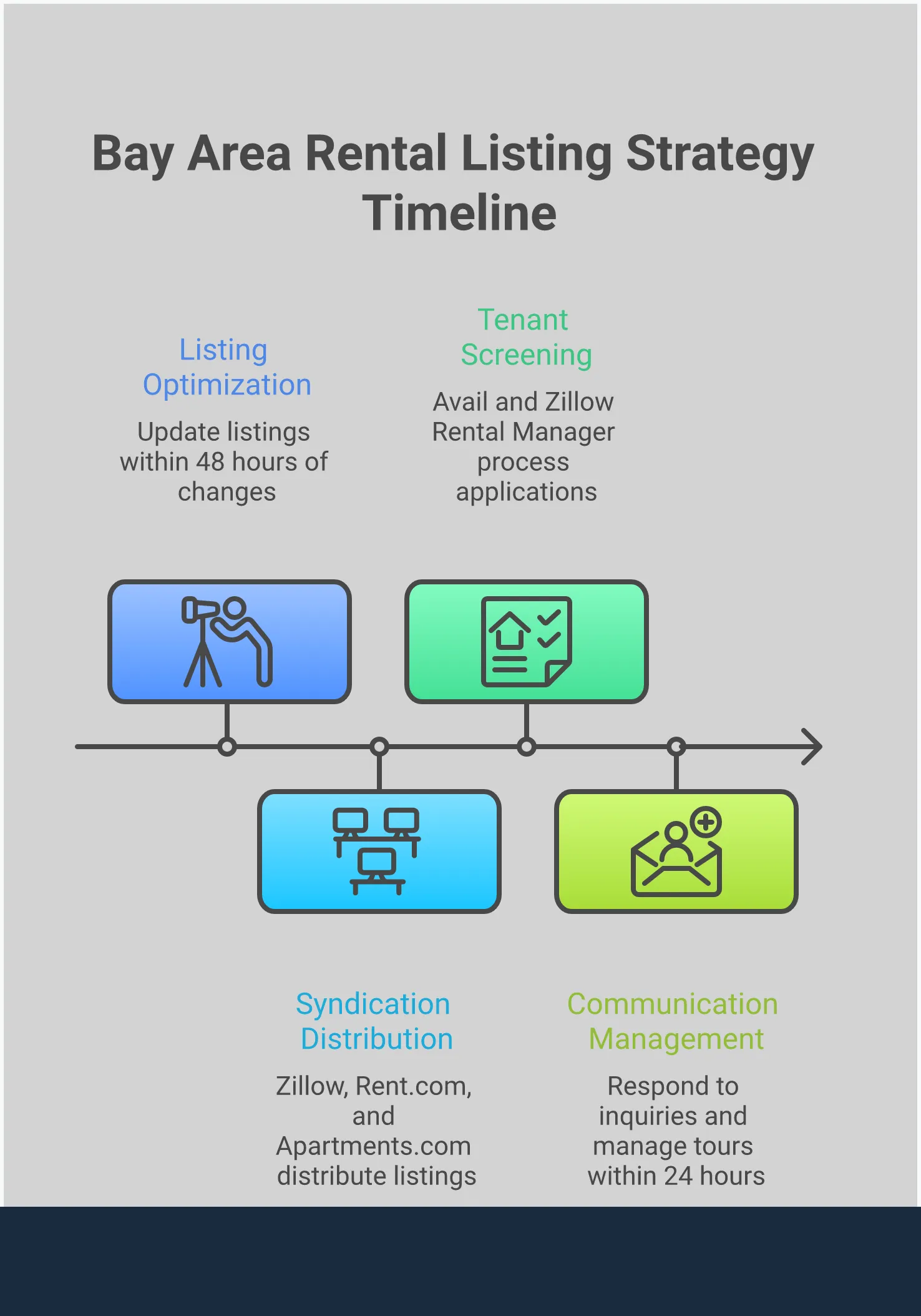
Listing syndication is a powerful feature that saves you time and expands your reach. Instead of manually posting your rental on a dozen different websites, you create one listing that the platform automatically distributes across a network of popular rental sites. This "post once, publish everywhere" approach ensures your property gets seen by the largest possible audience without any extra work on your part.
Many of the best rental listing sites offer syndication to partners like HotPads, PadMapper, and others. It’s a key feature to look for because it gives you the broad exposure of multiple platforms with the convenience of managing all your inquiries from a single dashboard. Always check which partner sites a platform syndicates to before you sign up.
Screening Tenants: Which Sites Offer the Best Tools?
Finding interested applicants is only the first step. The real work is screening, and the right tools make all the difference. A good listing site does more than post your property; it should provide robust features to help you vet applicants thoroughly and fairly. From background checks to fraud protection, these tools are essential for protecting your investment. If you'd rather leave screening to experts, our team can work with you to find qualified tenants for your Bay Area property.
Integrated Background Checks
A streamlined screening process starts with having your tools in one place. Look for platforms with integrated background checks to avoid juggling multiple services. This lets you run comprehensive reports on applicants without leaving the site, ensuring a consistent process for every candidate. According to Investopedia, some platforms offer excellent tools to help landlords find qualified renters. By bundling these features, sites like Avail make it easier to conduct thorough checks and select reliable tenants who will treat your property with respect, saving you time and potential headaches.
Easy Access to Credit Reports
A tenant’s credit history offers a clear window into their financial responsibility. The best listing sites provide easy access to credit reports, often as part of a complete screening package. This gives you a full picture, including payment history, debt levels, and any major red flags. Platforms like Avail bundle tenant screening with eviction history and criminal checks, creating a comprehensive profile for each applicant. Having this data readily available helps you make an informed decision based on objective financial criteria, ensuring you choose a tenant who is likely to pay rent on time.
Tools for Income Verification
Verifying an applicant's income is non-negotiable, but not all platforms handle it equally. While many sites offer built-in applications, some landlords find they lack the necessary detail. As one property owner on Reddit noted, many landlords use popular sites to find renters but then switch to their own forms to control the process. Look for a platform that either allows you to customize the application or easily integrate your own screening criteria. This ensures you can confidently confirm that an applicant meets your income requirements.
Built-in Fraud Protection
In a competitive rental market, scams can target landlords just as often as tenants. That’s why built-in fraud protection is a critical feature for any listing site you use. This can include identity verification, secure document uploads, and alerts for suspicious activity. Protecting your listing from scams is essential for safeguarding your investment and your time. As the team at Avail points out, it's wise to look for platforms with fraud protection to keep your listing safe. These features help ensure that the applications you receive are from legitimate, qualified individuals.
Create a Rental Listing That Gets Results
Choosing the right listing site is only half the battle. To attract high-quality tenants and minimize vacancy, you need a listing that stands out. A great listing is clear, accurate, and compelling, giving prospective renters all the information they need to decide if your property is the right fit. It’s your first and best marketing tool.
Focusing on a few key areas, like your property description, photos, and pricing strategy, can make a significant difference in the volume and quality of inquiries you receive. A well-crafted listing not only gets more views but also pre-qualifies applicants, saving you time by attracting tenants who are genuinely interested and a good match for your property.
Write a Compelling Property Description
Your property description is your sales pitch. Start with a headline that grabs attention by highlighting the best feature, whether it’s “Sunny Top-Floor Unit with Bay Views” or “Spacious 2BR with In-Unit Laundry.” In the body, go beyond the basics of beds and baths. Describe the lifestyle your property offers. Mention the updated kitchen with stainless steel appliances, the private balcony perfect for morning coffee, or the proximity to a popular park or transit line. Some listing platforms even offer writing help to guide you in creating effective titles and descriptions. Be honest and specific to build trust and attract the right tenants from the start.
Take Photos That Rent Your Property
Renters decide whether to inquire based on your photos. Dark, blurry, or cluttered pictures will get your listing skipped, no matter how great the property is. Before you shoot, clean and declutter every room. Open the blinds to let in as much natural light as possible and turn on all the lights. Take wide shots of each room from a corner to make the space feel open. Include photos of key amenities like the laundry room, parking area, and any outdoor space. If photography isn't your strength, consider hiring a professional. Some platforms offer professional photography services, or you can Work with Us to ensure your property is marketed with high-quality visuals that attract top applicants.
Price Your Rental Competitively
Setting the right rent is crucial for your bottom line. Price it too high, and your property could sit vacant for weeks. Price it too low, and you leave money on the table. To find the sweet spot, you need to research the current market. Look at what similar properties in your immediate neighborhood are renting for. Use online tools to get data-driven comparisons; for example, Rentometer analyzes nearby rentals to provide strong rent estimates. A competitive price based on real data will help you find a qualified tenant quickly, ensuring a steady and reliable rental income stream.
Manage Inquiries from Multiple Sites
Listing your property on several sites expands your reach but can also lead to a flood of inquiries from different platforms. Staying organized is key to responding promptly and keeping track of promising applicants. Some services help you list your property on multiple popular websites at once and consolidate all the messages into a single inbox. This saves you from logging into several different accounts to manage communications. A streamlined process ensures you never miss a great lead and can move qualified applicants through your screening process efficiently, reducing the time your property stays on the market.
Common Listing Site Challenges for Landlords
While rental listing sites give your property incredible exposure, they aren’t without their frustrations. The sheer volume of interest can be overwhelming, and not all inquiries come from qualified, serious applicants. Managing the process efficiently requires a strategy to handle common hurdles, from verifying applicant information to simply keeping up with messages. Without a system in place, you can spend more time filtering out noise than connecting with your ideal tenant.
The key is to anticipate these challenges and build a process that protects your time and investment. Let’s look at the three biggest issues landlords face and how you can solve them.
Spotting Fraudulent Applications
A professional-looking application isn’t always what it seems. Verifying every detail is your best defense against rental scams and unreliable tenants. One of the most common red flags is a fake reference. Instead of calling the number an applicant provides for their employer, take a moment to find the company’s official phone number online and call that directly. This simple step helps you confirm that you’re speaking with a real manager, not just a friend playing a part. A thorough, consistent screening process is non-negotiable for protecting your property.
Regaining Control of Your Application Process
The one-click "apply now" button on major listing sites can feel convenient, but it often leads to a flood of applications from renters who aren't a good fit. Many experienced landlords use listing sites for marketing but direct interested renters to their own pre-screening questionnaire or application form. This approach allows you to regain control and ask the specific questions that matter to you. By creating your own system, you ensure every applicant provides the information you need to make an informed decision, effectively filtering for serious candidates who are willing to put in a little more effort.
Solving Communication Overload
Within just two weeks of posting a listing, the average landlord receives around 18 inquiries. Answering the same questions about pets, parking, and utilities all day is a huge time sink. To cut down on repetitive conversations, make your listing description as detailed as possible. You can also streamline the process by using a system that lets renters book tours directly from the listing. This small change can make renters nearly four times more likely to complete an application. If managing communications feels like a full-time job, it might be time to work with a partner who can handle it for you.
Matching Your Property to the Right Listing Site
Choosing where to list your rental isn't just about getting the most eyes on your property; it's about getting the right eyes. The best platform for a luxury single-family home in Palo Alto is likely different from the best one for a studio apartment near UC Berkeley. Your property type, price point, and ideal tenant profile should guide your listing strategy. By matching your rental to the right site, you attract more qualified applicants and spend less time sifting through inquiries that go nowhere. Let's break down how to choose the best fit for your specific property.
Single-Family Homes vs. Apartment Units
While most major listing sites accommodate both single-family homes and apartments, their audiences can differ. Broad, home-buying-focused sites like Zillow and Realtor.com tend to attract renters looking for the space and privacy of a single-family home. These platforms are where people often start their search for a long-term residence. On the other hand, sites like Apartments.com and Apartment List are specifically designed for multi-unit buildings. Their search filters and user experience are tailored to renters comparing floor plans, amenities, and building features, making them a more effective choice if you’re trying to fill vacancies in an apartment complex.
Luxury Rentals vs. Budget Properties
Your rental's price point is a major factor in your listing strategy. For high-end or luxury properties, you need a platform that reflects quality and attracts a tenant pool with the right income level. Zillow Rental Manager is often the top choice here, as its massive user base includes affluent renters looking for premium homes. For more budget-friendly properties, the goal is often speed and volume. Platforms like Facebook Marketplace or Craigslist can generate a high number of leads quickly, though they require more careful screening. The key is to align your listing's presentation with the expectations of your target renter, whether they're seeking luxury amenities or a great value.
Student Housing and Specialized Markets
If your property serves a specific niche, like students or corporate tenants, you need to go where they are. A standard listing on a major site might get lost in the noise. For student housing near campuses like Stanford or UC Berkeley, consider platforms popular with younger demographics or even university-specific housing boards. For corporate rentals, connecting with relocation services can be far more effective than a public listing. The most important rule for specialized markets is to understand your audience's search habits. Don't wait for them to find you; post your rental in the places they're already looking.
How to Choose the Right Listing Site for You
With dozens of rental listing sites available, selecting the right one can feel like a job in itself. The platform you choose directly impacts your vacancy rate, the quality of applicants you attract, and the time you spend managing inquiries. Making a strategic choice from the start saves you headaches down the line and helps you find reliable tenants faster. Instead of defaulting to the first site that comes to mind, it’s worth taking a moment to evaluate your options based on your specific property and goals in the competitive Bay Area market.
The best approach is to think like a marketer. Your rental property is a product, and the listing site is your primary marketing channel. To find the right fit, you need to consider three key factors: who you want to reach, how wide of a net you need to cast, and what you’re willing to invest for the right features. By breaking down the decision this way, you can move past the noise and focus on the platforms that will deliver qualified, long-term tenants for your property. If you’d rather have an expert handle this, our team can work with you to create a leasing strategy that gets results and takes the guesswork out of the process.
Define Your Ideal Tenant
Before you post your listing anywhere, take a moment to picture your ideal tenant. Are you looking for a young professional for a studio in SoMa, a family for a single-family home in Marin, or students for a multi-bedroom apartment near a university? Each demographic searches for housing differently. A family might start their search on a site known for detailed school district information, while a recent graduate might turn to a platform with a map-based interface and neighborhood guides.
Choosing the right website to list your rental property helps you connect with the right people much faster and reduces the time you spend on showings. By defining your target renter first, you can focus your efforts on the platforms they are most likely to use, leading to a pool of more qualified applicants.
Compare Each Platform's Reach
Once you know who you’re looking for, consider how many people you need to reach. Some landlords find success by posting their rental listings on several different websites to maximize exposure. While this approach casts a wide net, it can also be time-consuming to manage inquiries and updates across multiple platforms.
A more efficient strategy is to use a platform that automatically syndicates your listing to a large network of other popular rental sites. This "post once, appear everywhere" model saves you time while ensuring your property gets in front of the largest possible audience of renters. Look for sites that partner with major players like Zillow, Trulia, and HotPads to get the most value from a single post.
Balance Your Budget with Must-Have Features
Rental listing sites operate on different pricing models. Many offer free basic listings, which is a great starting point if you’re on a tight budget. However, paid upgrades often provide better placement in search results, leading to more views and applications. Some platforms also offer a suite of tools designed to simplify the entire leasing process, from advertising to collecting rent.
When comparing costs, look beyond the listing fee. Consider what features are included. Does the platform offer integrated tenant screening, online applications, or digital lease signing? These tools can save you significant time and help you manage your property more professionally. A slightly higher upfront cost may be worth it for the efficiency and security these features provide.
Related Articles
- Tenant Selection Made Simple: What Property Owners Should Evaluate
- Effective Rental Marketing: How to Attract the Right Tenants
Leasing Services · SF Bay Area
Schedule a Leasing Consultation
Learn how Rentals Inc. helps property owners reduce vacancy, attract qualified applicants, and lease with confidence.
Schedule a Leasing ConsultationFrequently Asked Questions
Is it better to post my rental on just one major site or on several different ones? The most effective strategy is to use a platform that does the work for you. Many top-tier listing sites offer syndication, which means you post your property once, and they automatically distribute it across a network of other popular rental websites. This gives you the wide reach of multiple platforms without the hassle of managing several different accounts and inboxes.
Is it really worth paying for a listing when sites like Craigslist are free? While free sites can generate a lot of initial interest, paying for a listing is often a smart investment. Paid options typically give your property premium placement, so more qualified tenants see it first. They also usually include essential tools for screening and managing applicants. Spending a small amount to fill your vacancy faster with a reliable tenant almost always saves you money in the long run.
How can I avoid getting overwhelmed by inquiries from people who aren't a good fit? The best way to reduce noise is to be incredibly specific in your listing description. Clearly state your requirements, such as income level and pet policy, to help renters pre-qualify themselves. Many experienced landlords also use listing sites for advertising but direct interested applicants to their own pre-screening questionnaire to ensure they only spend time on serious, well-matched candidates.
Which site is best for a single-family home in the Bay Area versus an apartment? For single-family homes, platforms with a broad audience like Zillow tend to perform well, as they attract renters looking for long-term residences. For apartments, sites like Apartments.com are often more effective because their search tools are designed for renters comparing amenities and floor plans in multi-unit buildings. The goal is to match the platform's typical user to your ideal tenant.
What is the single most important part of a rental listing to get right? Your photos. Renters make snap judgments while scrolling, and dark, blurry, or cluttered pictures will cause them to skip your listing, no matter how great the property is. Clean, bright, and professional-looking photos are your most powerful marketing tool. They are the single biggest factor in getting a prospective tenant to stop, click, and read more about your rental.